Home / Blog / How to Choose a Good Tenant
Practical tips
How to Choose a Good Tenant and Avoid Missed Payments
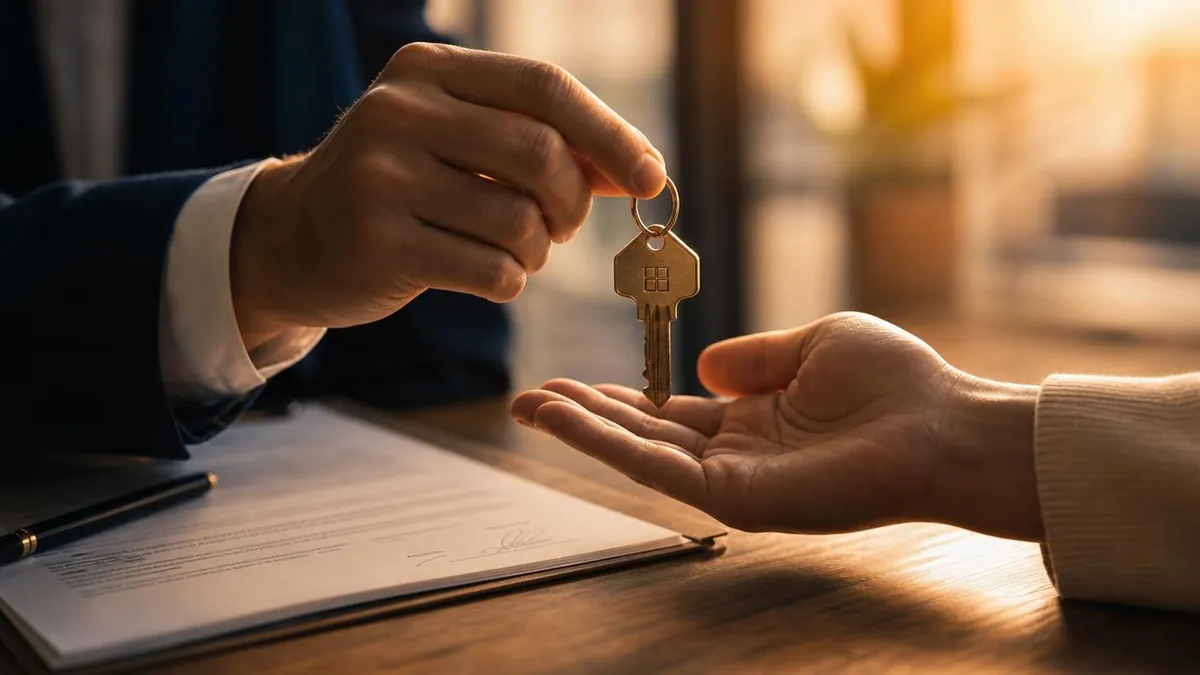
Most missed-payment problems don't happen because the tenant "changed" after signing the contract — they happen because the tenant wasn't properly screened before getting the keys. Choosing carefully from the very start is, by far, an owner's best protection. Here's what to check and which warning signs are worth taking seriously.
What background to check
Before accepting a candidate, it's important to review their commercial and payment-behavior history: whether they have outstanding delinquent debts, what their payment record has been like in previous rentals (when that reference is available), and their income stability relative to the rent amount. It also helps to ask for references from previous landlords and confirm that their declared employment or business activity is consistent with their stated income. None of these checks alone guarantees anything, but together they give a much clearer picture than a first impression during a viewing.
Warning signs worth watching closely
Some signs, while not decisive on their own, warrant extra caution: excessive urgency to close the deal without calmly reviewing the contract, resistance to providing background or supporting documents, inconsistencies between what's declared and what can be verified, or a history of very frequent address changes with no reasonable explanation. Seeing one isolated sign doesn't mean ruling someone out, but several signs together are reason enough to evaluate more carefully before deciding.
The role of the guarantor and the security deposit
A guarantor or joint co-debtor adds a layer of backing when the tenant's income is tight relative to the rent, and the security deposit (usually equivalent to one or more months' rent) covers part of the risk in case of damage or breach of contract at the end of the lease. Neither replaces a good initial screening, but both help mitigate risk when used correctly and clearly specified in the contract.
Why rushing to rent ends up costing more
When a property has been vacant for a while, the temptation to accept the first available candidate — even if they don't meet every criterion — runs high. But a poorly screened tenant who stops paying or damages the property ends up costing far more than the extra weeks it would have taken to find someone reliable. Patience in screening almost always ends up cheaper than haste.
What a good contract should protect
A well-drafted lease agreement, consistent with Chile's Law 18.101 governing urban property leases, should clearly state payment terms and due dates, the property's intended use, maintenance responsibilities, early-termination conditions, and the penalty that applies for late payments. This article provides general information and does not replace a professional review for your specific case.
How we screen at C&S Propiedades
At C&S Propiedades we don't leave tenant selection to chance: we review commercial and payment-behavior background before handing over the keys, and we put the agreed terms in writing in the contract. It's a step that takes a bit more time upfront, but it prevents most headaches down the road.
Want us to screen your next tenant?
Let's talk about your property and how to protect it from day one.
Chat with us on WhatsApp